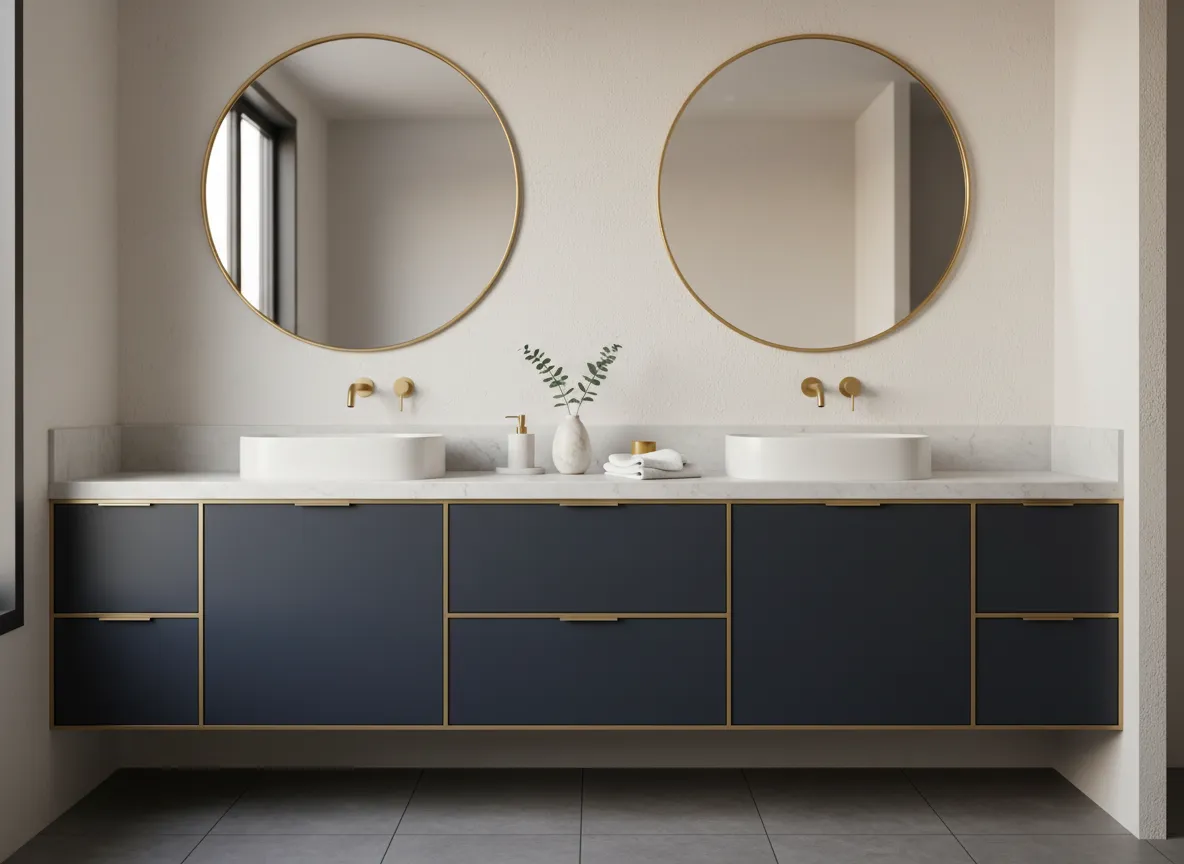
Modern Bathroom Renovation Guide: Design Tips
Home Improvement, Bathroom Renovation, Remodeling Ideas
Bathroom Renovations: A Complete Guide to Designing a Modern, Relaxing Space
Planning a bathroom renovation can feel overwhelming, but it’s also one of the most rewarding home improvement projects you can take on. With the right remodeling ideas and a thoughtful bathroom design, you can transform a tired room into a modern bathroom that feels like a personal spa, while also adding real value to your home.
Why Bathroom Renovation Is a Smart Home Improvement Project
A bathroom renovation is more than just a cosmetic upgrade. It’s a chance to improve how you live every day. Bathrooms work hard: they store products, manage moisture, and support busy morning routines as well as quiet evening wind-downs. When they’re poorly designed, you feel it in cluttered counters, foggy mirrors, and awkward layouts. When they’re done well, they can genuinely improve your quality of life and your home’s resale appeal.
From a financial perspective, bathroom renovations often offer one of the strongest returns on investment in home improvement. Buyers pay attention to kitchens and bathrooms first. A fresh, modern bathroom design signals that the home has been cared for and updated, reducing worries about hidden plumbing issues or outdated fixtures. Even if you’re not planning to sell soon, investing in a stylish and functional bathroom is a way to enjoy your home more right now while future-proofing it for later.
📌 Key Takeaway: A well-planned bathroom renovation boosts daily comfort, solves storage and layout problems, and can significantly increase your home’s value.
Step One: Clarify Your Goals for the Renovation
Before choosing tiles or paint colors, take a step back and define what you want this bathroom renovation to achieve. Your goals will shape every decision, from layout to lighting. Ask yourself a few key questions:
Who uses this bathroom? A family bathroom needs durable finishes and generous storage, while a primary en-suite can lean into luxury and relaxation. A guest bathroom might prioritize style and easy maintenance over storage.
What currently frustrates you? Is it lack of counter space, poor lighting, a cramped shower, or an outdated look? Pinpointing pain points helps you focus your remodeling ideas where they’ll make the biggest difference.
What’s your long-term plan? If you plan to age in place, think about accessibility now: curbless showers, wider doorways, and non-slip flooring can make a modern bathroom safer without sacrificing style.
💡 Pro Tip: Make a simple “must-have” and “nice-to-have” list for your bathroom design. This keeps your renovation grounded when you’re faced with endless choices and helps you stick to your budget.
Setting a Realistic Budget for Your Bathroom Project
Budget is one of the most important parts of any home improvement plan, and bathrooms are no exception. Costs vary widely depending on the size of the room, the quality of materials, and whether you’re changing the layout or keeping plumbing in place. A simple cosmetic refresh—new vanity, fixtures, lighting, and paint—will cost far less than a full gut renovation that involves moving walls, replacing pipes, or installing underfloor heating.
Start by researching typical bathroom renovation costs in your area, then decide on a range that feels comfortable. A common guideline is to allocate a percentage of your home’s value to bathroom updates, especially for a primary en-suite. Whatever number you land on, set aside an additional 10–15% as a contingency for surprises such as hidden water damage or outdated wiring. These are common discoveries once old finishes are removed, and having a cushion prevents stressful budget overruns.
Where to Spend and Where to Save
Smart bathroom design is about balancing investment and savings. Consider spending more on:
Plumbing fixtures: High-quality faucets, shower valves, and toilets not only look better but also perform more reliably and efficiently over time.
Waterproofing and ventilation: Proper membranes behind tiles and a good exhaust fan protect your investment by preventing mold and moisture damage.
Lighting and electrical: Adequate, layered lighting and safe, up-to-code wiring make a huge difference in both safety and comfort.
You can often save by choosing mid-range tiles instead of designer brands, opting for a pre-fabricated vanity rather than full custom cabinetry, or keeping the existing layout to avoid moving plumbing. Many modern bathrooms look high-end because of thoughtful design and simple, cohesive materials rather than the most expensive finishes.
Planning the Perfect Bathroom Layout
Layout is the backbone of any successful bathroom renovation. Even the most beautiful tiles and fixtures can’t compensate for a cramped, awkward, or unsafe layout. When you’re reviewing remodeling ideas, think carefully about how people move through the space and how each zone—shower, vanity, toilet, and storage—works together.
Common Bathroom Layout Types
Single-wall layout: Ideal for small bathrooms or powder rooms, where the sink, toilet, and sometimes shower line up along one wall. This keeps plumbing simple and costs lower.
Three-piece layout: A common arrangement with a vanity, toilet, and shower or tub placed around the room’s perimeter. Good for family bathrooms and guest baths.
Primary en-suite layout: Often larger, with space for a double vanity, separate shower and tub, and sometimes a private toilet enclosure. These bathrooms benefit from zoning: a wet area for bathing and a drier area for dressing and grooming.
When planning a modern bathroom, aim to keep the “wet” zones—shower and tub—grouped for efficient waterproofing, and ensure there’s enough clearance for doors and drawers to open comfortably. If space allows, consider a walk-in shower with a glass panel instead of a curtain. This not only looks sleek but also makes smaller rooms feel more open by removing visual barriers.
💡 Pro Tip: Use painter’s tape on the floor to outline the size of your future vanity, tub, or shower. Walking through the taped layout gives you a real sense of scale before committing to your bathroom design.
Remodeling Ideas to Refresh Any Bathroom Style
Whether you’re working with a compact powder room or a generous primary suite, the right remodeling ideas can dramatically change the look and feel of your bathroom without necessarily expanding its footprint. Here are some versatile concepts that work in many spaces and budgets.
1. Upgrade the Vanity and Storage
The vanity is often the visual focal point of a bathroom renovation. Swapping an old pedestal sink for a floating vanity can instantly make the room feel more modern while adding valuable storage. Look for vanities with deep drawers instead of just doors—drawers keep everyday items organized and accessible. In small bathrooms, consider a wall-mounted cabinet with integrated lighting to free up counter space and keep the design airy.
2. Refresh Tiles and Surfaces
Tiles play a huge role in bathroom design. For a timeless, neutral look, consider large-format porcelain tiles in soft gray, beige, or stone-inspired finishes. Fewer grout lines make cleaning easier and visually expand the space. If you love pattern, use it strategically—perhaps on a shower niche, a feature wall behind the vanity, or a small floor area—while keeping the rest of the room calm. This approach balances personality with longevity, so your bathroom still feels fresh years from now.
3. Modernize Fixtures and Hardware
Something as simple as changing faucets, showerheads, and cabinet pulls can dramatically update the look of a bathroom. Brushed nickel and chrome remain classics, while black and warm brass are popular in modern bathrooms for their bold yet sophisticated feel. Whatever finish you choose, aim for consistency across fixtures for a cohesive look. Consider water-efficient fixtures as well; they reduce water usage without sacrificing performance and can lower your utility bills over time.
4. Improve Lighting for Function and Mood
Good lighting is one of the most underrated aspects of bathroom renovation. Ideally, you want layered lighting: bright, shadow-free light at the mirror for grooming, ambient lighting for overall illumination, and perhaps an accent light to highlight a feature such as a niche or artwork. Wall sconces at eye level on either side of the mirror often provide more flattering light than a single fixture above. Consider dimmers so you can shift from bright morning light to a softer, spa-like glow in the evening.
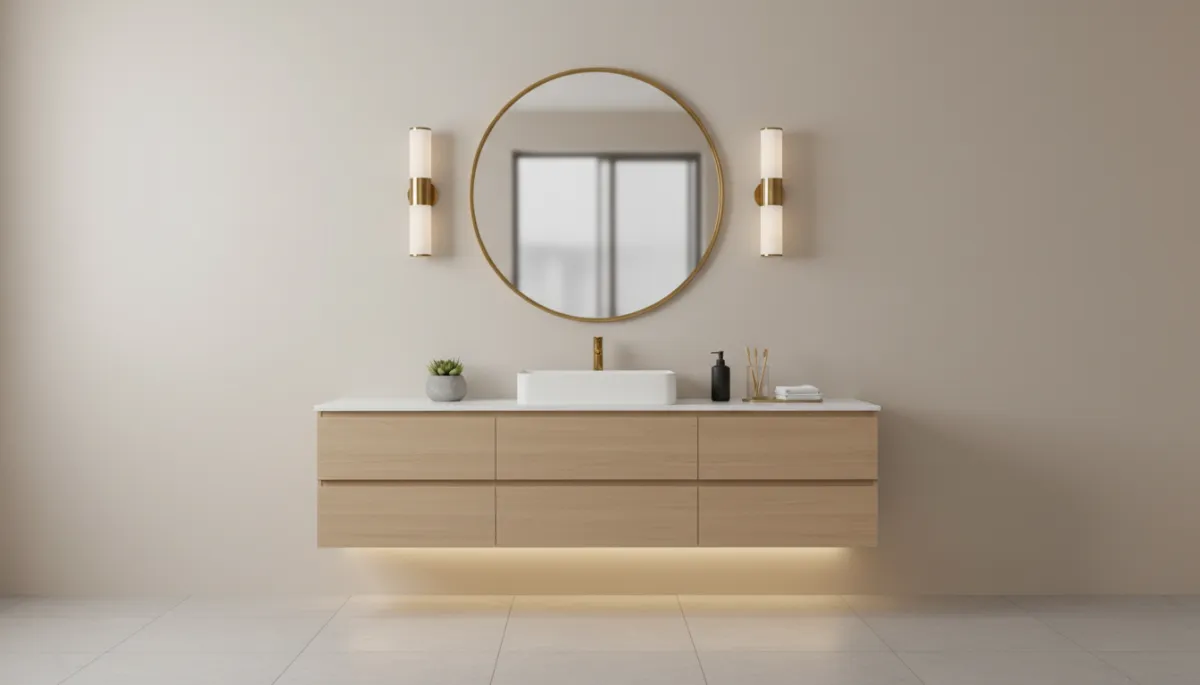
Modern bathroom vanity area with floating wood cabinet, round mirror, wall sconces on each side,...
Thoughtful lighting and storage turn an everyday vanity into a functional focal point.
Designing Modern Bathrooms: Key Elements and Styles
Modern bathrooms are defined less by strict rules and more by a feeling: clean lines, uncluttered surfaces, and a sense of calm. Whether your taste leans toward minimalism, warm organic textures, or sleek hotel-inspired luxury, a few core design principles can guide your renovation.
Clean Lines and Simple Forms
In modern bathroom design, less is more. Choose fixtures and furniture with simple, streamlined shapes. Floating vanities, frameless glass showers, and minimal trim help the space feel open and contemporary. Avoid overly ornate details that can date quickly; instead, rely on texture and quality materials to create interest.
A Calm, Neutral Color Palette
Neutral color schemes work particularly well in bathrooms because they feel clean and timeless. Think soft whites, warm grays, and gentle taupes, layered with natural textures like wood, stone, or woven baskets. This doesn’t mean your space has to be boring; you can introduce subtle contrast with darker floor tiles, a charcoal vanity, or black fixtures. Because bathrooms are relatively small, a neutral palette keeps them from feeling visually busy and makes them easier to accessorize over time.
Spa-Inspired Touches for Everyday Luxury
Many homeowners use bathroom renovations as an opportunity to bring spa-like comfort into their daily routine. Simple upgrades—such as a rainfall showerhead, a handheld sprayer, a built-in shower bench, or a deep soaking tub—can make a big impact. Heated towel bars and underfloor heating add comfort on cold mornings, while built-in niches keep shampoo and soap neatly organized instead of cluttering the floor or tub edge. Even if your budget doesn’t stretch to every luxury, adding one or two of these elements can elevate the space significantly.
Practical Considerations: Ventilation, Waterproofing, and Safety
Behind every beautiful bathroom is solid, practical planning. Moisture is a constant presence, and overlooking the technical side of a renovation can lead to problems down the line. While your contractor or designer can help with the details, it’s useful to understand the basics so you can ask informed questions and make confident decisions.
Ventilation and Humidity Control
A quality exhaust fan is essential in any bathroom renovation. It helps remove steam, reduces the risk of mold, and protects paint, grout, and cabinetry from premature wear. Choose a fan appropriately sized for your room and consider models with built-in humidity sensors or timers so they keep running after you leave the room. If your bathroom has a window, that’s a bonus, but it shouldn’t replace mechanical ventilation, especially in colder climates where windows stay closed much of the year.
Waterproofing and Durable Materials
Proper waterproofing is non-negotiable in showers and around tubs. Behind the scenes, this means using waterproof membranes or backer boards and sealing joints carefully. On the surface, choose materials that stand up to moisture: porcelain or ceramic tile, quartz or solid-surface countertops, and moisture-resistant paint. Wood can be used successfully in modern bathrooms, but it should be well-sealed and kept away from direct splashes when possible. Paying attention to these details during your home improvement project protects your investment and reduces the risk of costly repairs later.
Safety and Accessibility Features
Safety can be seamlessly integrated into bathroom design without making the space feel institutional. Non-slip floor tiles, especially in wet areas, are a must. Consider a curbless, walk-in shower to eliminate tripping hazards and make the space more accessible for all ages. Reinforcing walls in strategic spots during renovation allows you to add grab bars now or later, and modern designs look more like sleek towel bars than medical equipment. Thinking about accessibility during your bathroom renovation doesn’t just benefit older adults; it also makes life easier for kids, guests, and anyone with temporary injuries.
📌 Key Takeaway: The most successful modern bathrooms balance beauty with practicality—ventilation, waterproofing, and safety features protect your investment and keep the space comfortable for years.
DIY vs. Hiring Professionals for Bathroom Renovation
Many homeowners wonder how much of a bathroom renovation they can realistically tackle themselves. The answer depends on your skills, time, and the complexity of the project. Cosmetic updates—painting, swapping hardware, installing simple shelving—are often manageable DIY tasks. However, plumbing, electrical work, and waterproofing are areas where mistakes can be expensive and potentially unsafe.
Hiring licensed professionals for critical trades ensures that the work meets code and performs reliably. An experienced bathroom contractor can also help coordinate the sequence of work, manage permits, and troubleshoot issues that arise during demolition. If your budget is tight, a hybrid approach can work well: handle painting or final styling yourself while leaving structural, plumbing, and electrical tasks to the experts. This way, you still save on labor where it’s safe to do so, without compromising the integrity of the renovation.
Timeline and Expectations: How Long Does a Bathroom Renovation Take?
Understanding the typical timeline for bathroom remodeling helps you plan around the disruption and set realistic expectations. A straightforward renovation where the layout stays the same might take a few weeks from demolition to final touches, while more complex projects can extend to six or eight weeks or longer, especially if structural changes or custom elements are involved.
Planning and design (1–4 weeks): Gathering remodeling ideas, finalizing bathroom design, selecting materials, and obtaining quotes and permits.
Ordering materials (2–6 weeks): Lead times vary, especially for custom vanities, special-order tiles, or glass enclosures. Ordering early helps avoid delays.
Demolition and rough-in (1–2 weeks): Removing old fixtures and finishes, updating plumbing and electrical, and preparing surfaces for new materials.
Installation and finishing (2–4 weeks): Tiling, installing fixtures, painting, and adding final details like mirrors, accessories, and caulking.
Keep in mind that unexpected issues—such as discovering outdated wiring or hidden leaks—can extend the timeline. Building a little flexibility into your schedule, especially if this is your only bathroom, will make the process less stressful. If possible, set up a temporary bathroom solution elsewhere in the home or arrange to stay with friends or family during the most disruptive phases.
Finishing Touches: Styling Your Newly Renovated Bathroom
Once the major construction is complete, styling brings your bathroom renovation to life. This is where you can add personality without locking yourself into trends that may fade quickly. The goal is to enhance your new bathroom design while keeping surfaces calm and clutter-free.
Textiles: Invest in quality towels, a simple bath mat, and a shower curtain if you have a tub-shower combination. Stick to a limited color palette that complements your tiles and fixtures for a cohesive look.
Storage accessories: Trays, lidded jars, and baskets keep everyday items organized and prevent countertops from feeling cluttered. Think about what you reach for daily—skincare, toothbrushes, hair tools—and give each a designated spot.
Greenery and decor: A small plant, framed artwork, or a sculptural vase can soften the hard surfaces common in bathrooms. Just be sure to choose moisture-tolerant plants or artwork that can handle humidity.
💡 Pro Tip: Take a photo of your finished bathroom and look at it on your phone. Clutter stands out more in photos, making it easier to see where you might simplify or rearrange accessories.
Bringing It All Together: Your Roadmap to a Successful Bathroom Renovation
A bathroom renovation touches nearly every corner of home improvement: layout planning, plumbing, electrical work, tiling, and interior design. It’s a complex project, but breaking it into clear steps makes it manageable. Start by clarifying your goals and budget, then explore remodeling ideas that fit your lifestyle rather than chasing every trend. Focus on a layout that works, invest in quality where it counts—like waterproofing, ventilation, and fixtures—and choose a bathroom design that feels calm, modern, and timeless.
Remember that modern bathrooms are about more than looks. They support busy mornings, provide a retreat at the end of the day, and contribute to the overall value and functionality of your home. By balancing beauty with practicality, you’ll create a space that serves you well for years to come. Whether you’re updating a compact powder room or transforming a primary en-suite into a spa-like haven, thoughtful planning and smart design decisions will help your renovation run smoothly and deliver results you’ll love every time you step inside.
If you’re ready to begin, start small: gather inspiration photos, make a list of what frustrates you most about your current bathroom, and sketch a rough layout. From there, consult with professionals as needed and refine your plan. With a clear vision and realistic expectations, your bathroom renovation can be one of the most satisfying home improvement projects you ever complete.
